
Discover the Health Benefits of Eating a No-Oil Diet


Understanding the No-Oil Diet
In recent years, the no-oil diet has gained popularity as people search for healthier eating habits. This dietary approach eliminates oils from meals, focusing instead on whole, plant-based foods. While it may seem restrictive, the health benefits can be substantial, making it an attractive option for those looking to improve their well-being.
Why Eliminate Oil?
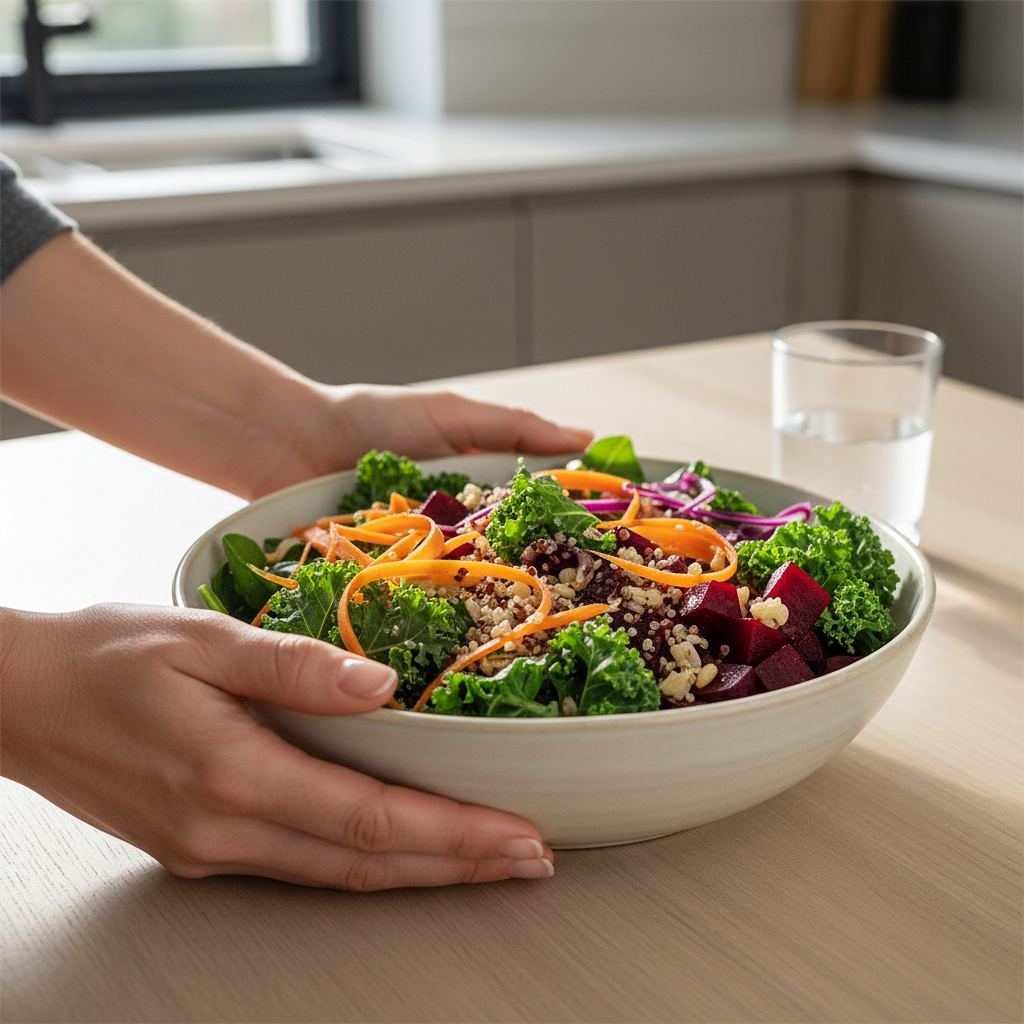
Oil, even those labeled as healthy, is a concentrated source of fat and calories. By removing oil from your diet, you can significantly reduce calorie intake, which may contribute to weight loss. Additionally, oils often contain saturated fats, which can lead to increased cholesterol levels and cardiovascular issues.
Health Benefits of a No-Oil Diet
Embracing a no-oil diet can lead to numerous health benefits, including:
- Improved Heart Health: Eliminating oils reduces saturated fat intake, which supports better heart health and lowers cholesterol levels.
- Weight Management: With fewer calories from fat, a no-oil diet can promote weight loss and help maintain a healthy weight.
- Enhanced Digestion: A diet rich in whole foods can aid digestion and improve gut health.
How to Transition to a No-Oil Diet
Switching to a no-oil diet requires some adjustments, but it can be done gradually. Here are some steps to help you transition:
- Start Small: Begin by reducing oil in your cooking and gradually eliminate it.
- Explore Alternatives: Use water or vegetable broth for sautéing, and try mashed avocado or hummus as spreads.
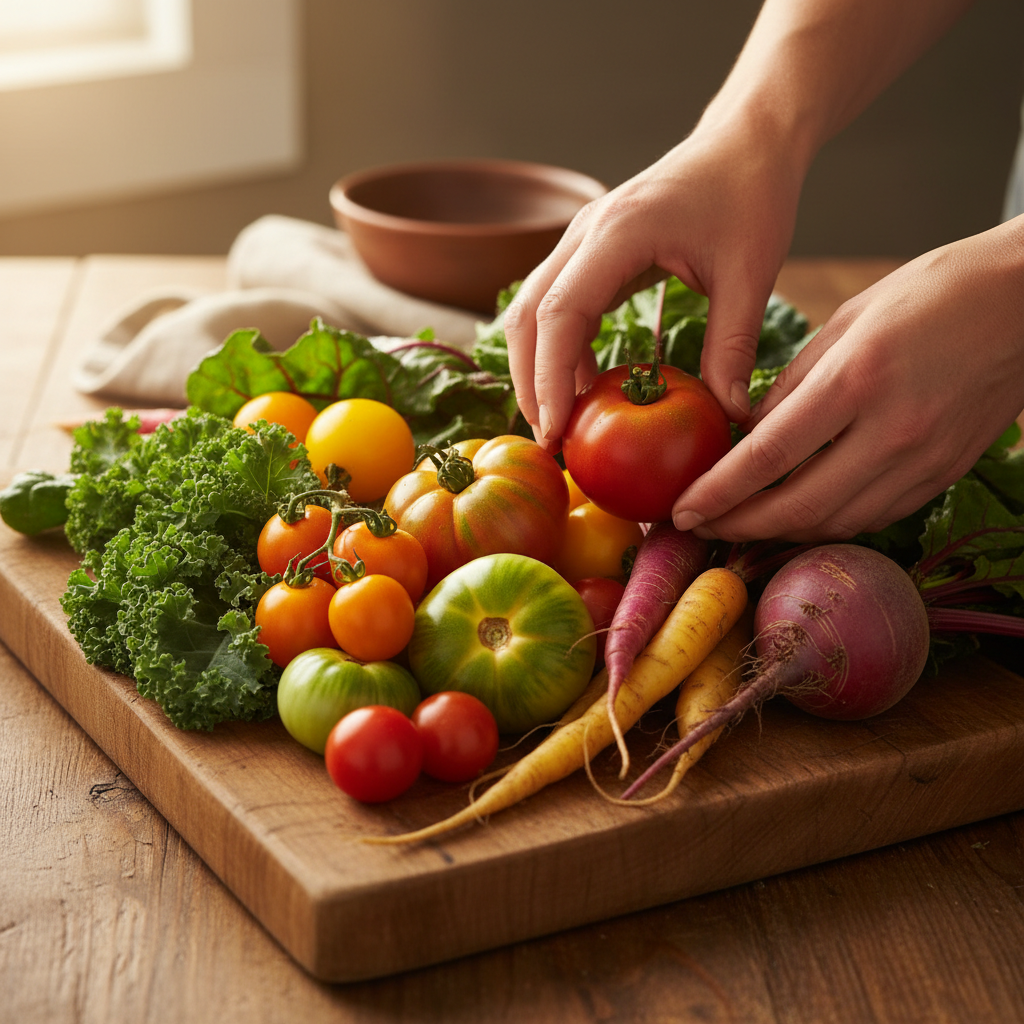
- Focus on Whole Foods: Incorporate more fruits, vegetables, legumes, and whole grains into your meals.
Cooking Without Oil
Cooking without oil may seem challenging, but there are numerous techniques to enhance flavor and texture without it. Roasting, steaming, and grilling are excellent methods to prepare delicious meals. Seasonings and herbs can also add vibrant flavors, making dishes satisfying and enjoyable.

Potential Challenges and Solutions
While a no-oil diet offers many benefits, it may come with challenges. Some people may find it difficult to adjust to the new cooking methods or miss the texture oil provides. However, with creativity and experimentation, these obstacles can be overcome. Using non-stick cookware and exploring different cooking techniques can make the transition smoother.
Conclusion
Adopting a no-oil diet can lead to significant health improvements, from better heart health to effective weight management. By focusing on whole, plant-based foods and exploring new cooking methods, you can enjoy a flavorful and nutritious diet. As always, consult with a healthcare professional before making significant dietary changes to ensure it aligns with your individual health needs.